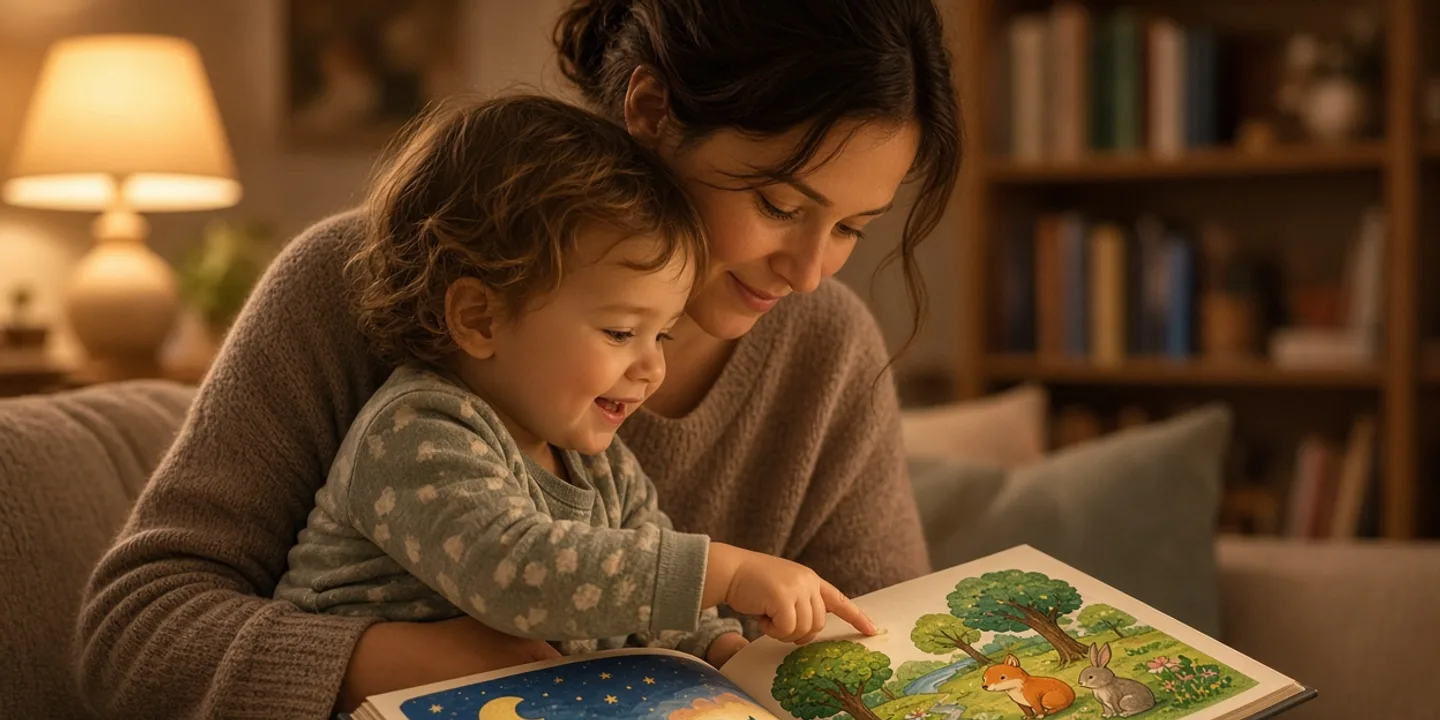
Every parent has seen the lean-in. You are reading aloud, you swap the hero's name for your child's as a joke, and the wriggling stops. "Again. The one about me."
Children are not being vain when they do this — they are doing exactly what stories are for. A small child's biggest ongoing project is working out who they are and what they can do, and narrative is one of the main tools they use. A story where they face the storm, tame the dragon or welcome the baby brother lets them rehearse courage, kindness and competence in the safest possible place: fiction that is unmistakably about them.
Name-swapping, upgraded#
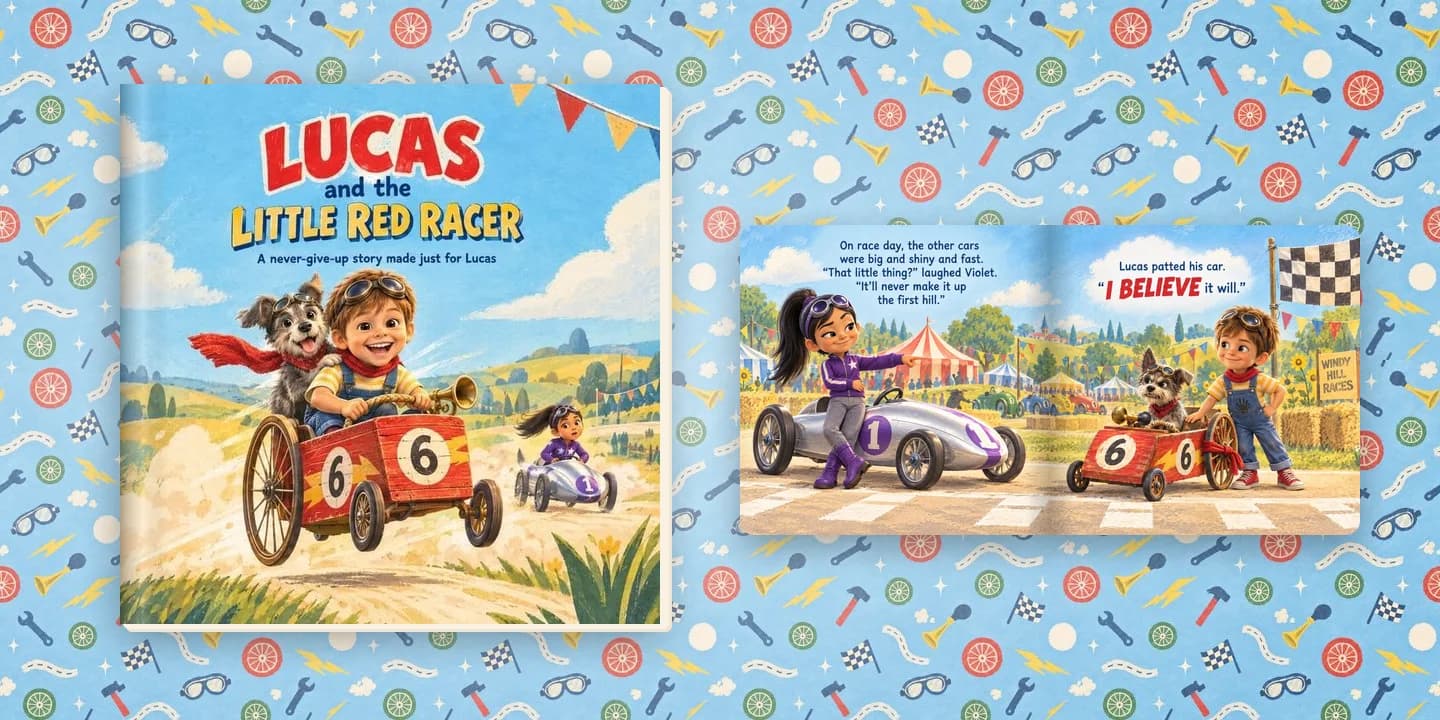
The name swap has existed as long as bedtime. What is new is how far it can now go. A personalized book made from your own photo gives the story your child's face — the same recognisable character on every page — plus their real interests, their real dog, and even a real moment from their week folded into the plot.
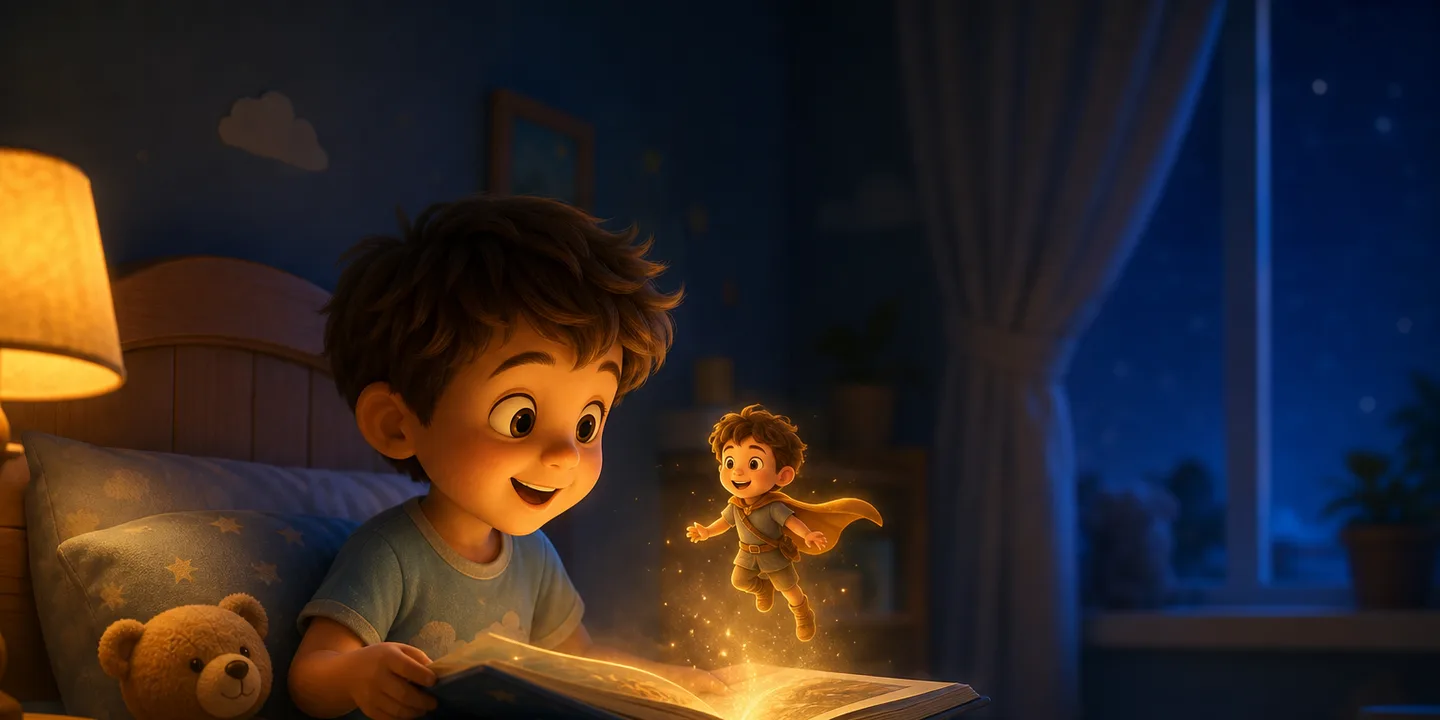
The difference in engagement is not subtle. With a generic book, you are reading to your child. With a book starring them, you are reading about them — and they hold the pages open.
What parents notice#
A few patterns come up again and again with hero-books at bedtime:
- Re-reading. Children return to "their" book far more often than to an equivalent generic one, and re-reading is quietly one of the best things for early literacy — vocabulary, prediction, confidence with a known text. In a University of Sussex study published in Frontiers in Psychology, three-year-olds who heard the same storybooks repeatedly across a week retained new words a week later, while children who heard different books did not.
- The brave-echo. After a story where they-the-hero handled something scary, children borrow the script: "I was brave like in my book." Story-first, life-second is how a lot of early courage works.
- Ownership of reading itself. Pre-readers "read" their own book aloud to toys and siblings, page by page, from memory. A child who thinks of a book as theirs thinks of reading as theirs too.
Getting the most out of a hero-book at bedtime#
- Let the real week in. A book built on something that actually happened — the swimming lesson, the thunderstorm, the lost tooth — gives you a bedtime conversation, not just a story. On KindFable a one-line note about the week becomes the story's heart.
- Keep the cast real. Adding Grandma or the dog as companions turns the book into a small family portrait; children linger on those pages longest.
- Read it, then leave it. Put the book where the child can reach it. The solo "re-reads" the next morning are the point.
- For reluctant listeners, there is a narrated version — KindFable can produce the book as an audio story with music, which works for the car and for the hundredth retelling your voice would rather skip.
What does a bedtime hero-book look like?#
Here is a finished one. Your Child and the Silver Ladder is a personalized space book in our shop for ages 3–7: a silver ladder appears outside the window and climbs all the way to the moon, and halfway up it gets scary — and nobody says hurry. The sample below stars Leo, who is five; a parent adds their own child's photo and name, and every page is painted with that child instead.


A book from our shop · ages 3–7
Your Child and the Silver Ladder
A silver ladder appears outside the window and climbs all the way to the moon — through the clouds, past a runaway balloon, into black sky and slow floating jumps. Halfway up it gets scary, and nobody says hurry. At the top waits a secret only a brave heart can keep.
Shown here starring Leo, 5. Yours is painted with your own child’s face and name on every page, from $39 — and you see the pages before you pay.
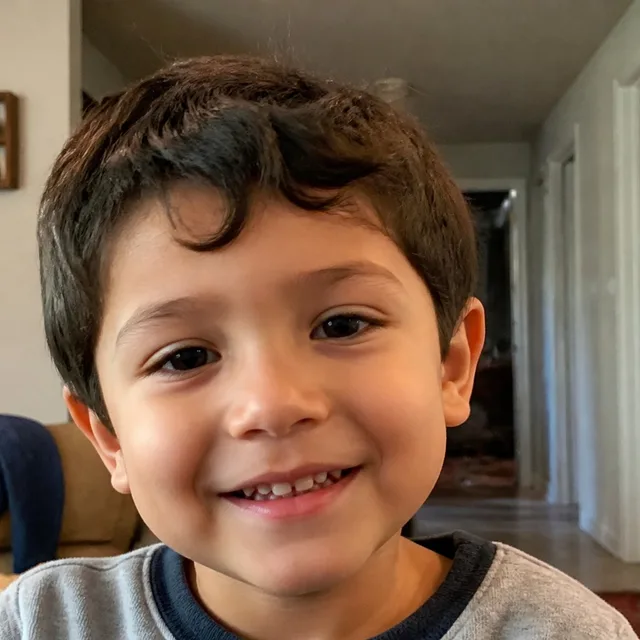
The photo they uploaded
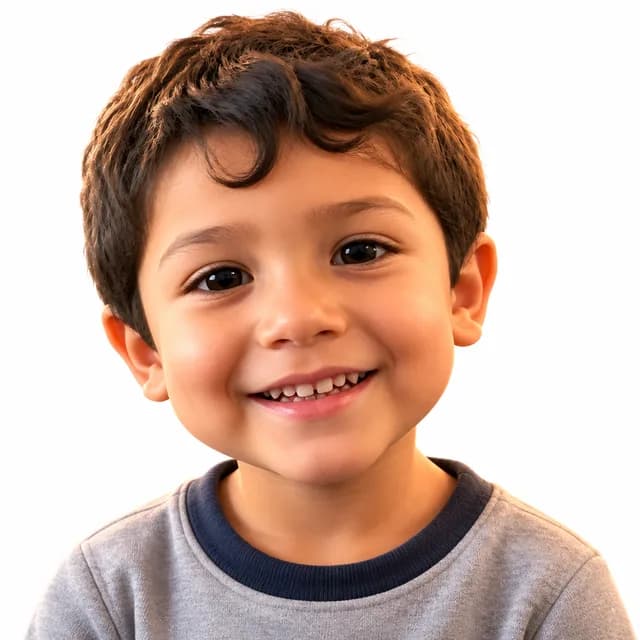
The character we drew
Written from this story — not a stock track with a name dropped in. Free with every book.
How the story begins
- 1Leo leaned on his windowsill. The birthday sky was bright and blue. And there, in the daytime, hung the moon. “I wish I could see you up close,” Leo whispered. Something outside went… tling.
- 2A silver ladder stood in the garden grass. “Hello! I'm Pim.” It went up, up, up, past the roof, all the way to the moon. “I'm Tula. Stay inside the glow. It brings the sky along.” TLING!
- 3Leo stepped onto the first rung. It was cool and smooth. “My house looks like a toy!” Up past the chimney. Up past the trees. Past a runaway balloon.
The rest of the story is in Your Child and the Silver Ladder.
The words to the song
[Verse 1]
Sunny sky and a birthday hat,
A tiny moon where the clouds sat flat.
Tling! went something shiny and new,
A silver ladder, reaching through.

[Chorus]
One more rung, and one more rung,
Brave is a song that's softly sung.
Scared is okay, you can take your time,
Then one more rung, and up we climb!

[Verse 2]
Past the chimney, past the trees,
Past a balloon on the upward breeze.
Through the clouds, all cold and wet,
Pim just giggled, "Not there yet!"

[Bridge]
Looking down, my tummy fizzed,
Tula whispered, "Here's what is:
Rest a while, or climb back down,
Or one more step above the town."

[Verse 3]
Boing on the moon, so light, so slow,
A secret garden all aglow.
Every brave heart makes a light,
All together, shining white.

[Chorus]
One more rung, and one more rung,
Brave is a song that's softly sung.
Scared is okay, you can take your time,
Then one more rung, and up we climb!

[Outro]
Home by the window, the sky turns deep,
An orange seed that's mine to keep.
The moon is bright, and I know why.
Goodnight, brave Leo. Goodnight, sky.
It is the brave-echo from the list above, built into a story. The lesson is the one children borrow afterwards: brave does not mean not scared, it means one more rung, by your own choice. The American Academy of Pediatrics, in its 2024 policy statement on literacy promotion, recommends reading aloud with children every day from infancy — and a book a child asks for by name is the easiest one to make a daily habit.
Try the lean-in yourself#
The whole book — about fourteen illustrated scenes with your child as the hero — is made from a photo and a real moment, and you meet your child on the painted cover, free, before you decide whether to keep it. See finished sample books first, or start your child's story tonight; the preview usually arrives faster than the bath does.
If you want the classic that invented this whole bedtime shape, and what to read beside it, see books like Goodnight Moon. And if the hero you want is one you invent yourself rather than one you buy, how to make a bedtime storybook is the four-beat recipe — including how long the story should run for your child's age, and why the ending matters more than the plot.
And if you want the bedtime story to be heard as well as read, a personalized audiobook for kids explains what narration adds — and what it takes away if you reach for it too early. Books about feelings for toddlers helps when the thing keeping them awake is a feeling rather than the dark. And if your child's favorite hero is a very cool cat who keeps singing when things go wrong, books like Pete the Cat carries the same brave-echo into a sillier key.