A personalized storybook is a picture book built around your child: the hero is painted from a photo you upload, and your child's name runs through the story. For bedtime, that matters more than it sounds — it is the book they ask for again. Below is a whole one from our shop, which you can read and hear sing.
What does a personalized storybook look like, finished?#
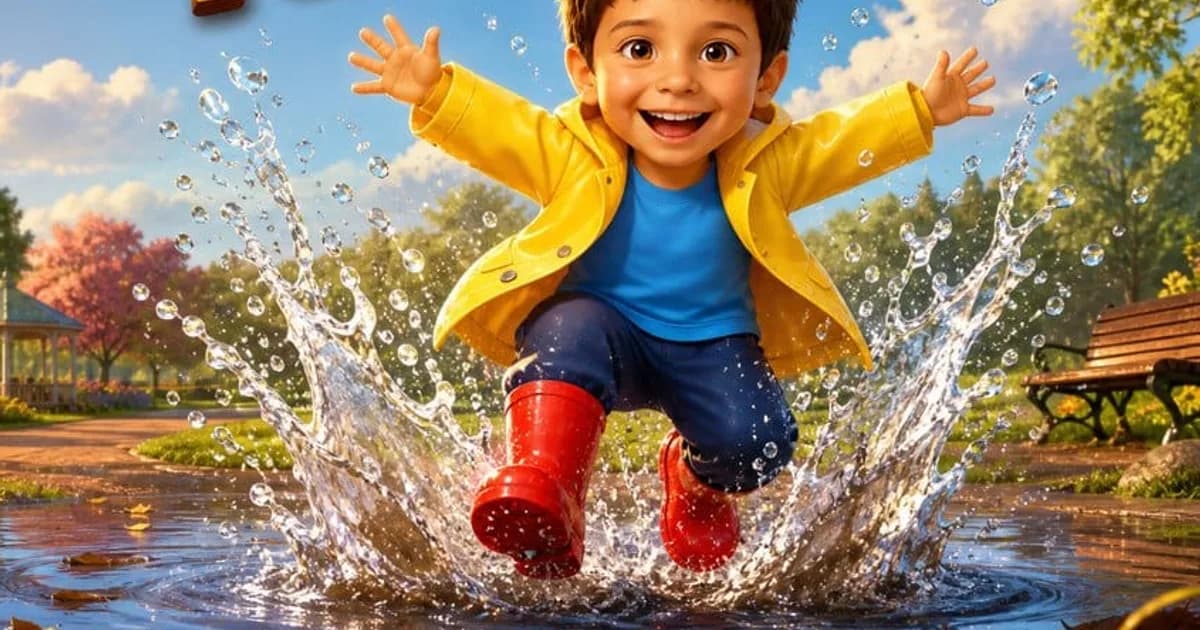
The book on this page is Your Child and the Rain Song, a finished story in the KindFable shop. The sample shown stars Noah, who is five. When you order it, you upload your own child's photo and type their name, and every page is painted with your child instead.
The story opens like this: "Noah paddled up the Green River with his trusty pot and his wooden spoon. Wherever Noah went, he brought the beat. Tap-tap-BOOM!" But Tangletop Jungle is quiet. The leaves droop, the river is shrinking, and every animal is waiting for the rain.
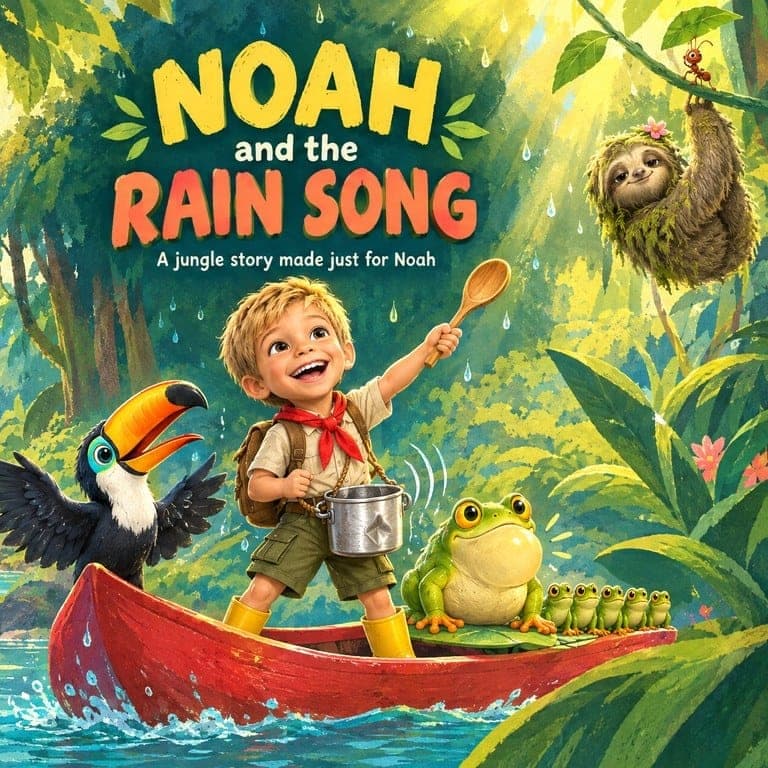

A book from our shop · ages 3–7
Your Child and the Rain Song
A jungle where the rain is late and every animal thinks its own sound is the best — until your child, a cooking pot and a wooden spoon get the whole jungle to play together.
Shown here starring Noah, 5. Yours is painted with your own child’s face and name on every page, from $39 — and you see the pages before you pay.
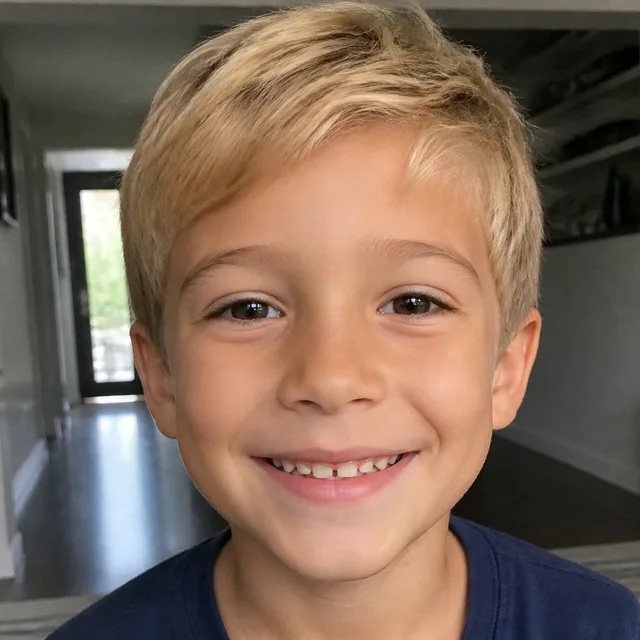
The photo they uploaded
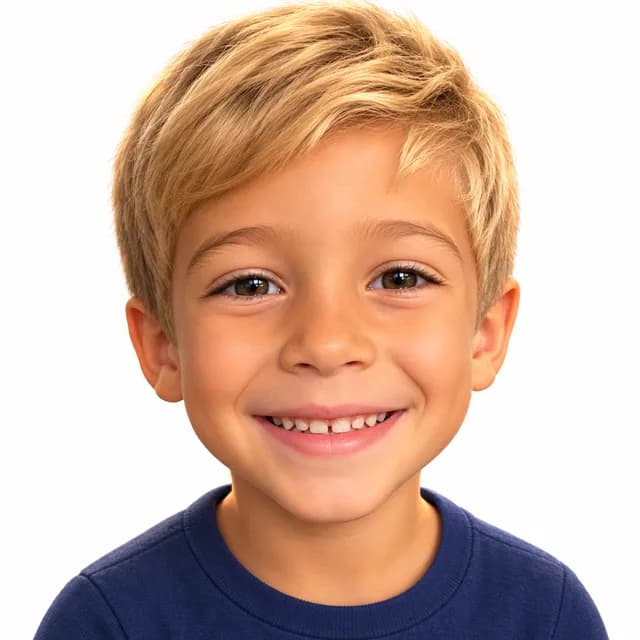
The character we drew
Written from this story — not a stock track with a name dropped in. Free with every book.
How the story begins
- 1Noah paddled up the Green River with his trusty pot and his wooden spoon. Wherever Noah went, he brought the beat. Tap-tap-BOOM!
- 2But Tangletop Jungle was QUIET. The leaves drooped. The river was shrinking. “Where is everybody?” asked Noah. “Waiting for the rain,” said a voice from above.
- 3It was Tuko the toucan. “The rain only comes when the whole jungle plays the RAIN SONG. But nobody remembers how,” sighed Tuko. “Everyone just plays their OWN song.”
The rest of the story is in Your Child and the Rain Song.
The words to the song
[Verse 1]
Up the Green River, paddle and glide,
A pot and a spoon and a boy inside.
The jungle was dusty, the jungle was still,
Not one drop of rain on the top of the hill.

[Chorus]
Tap-tap-boom! Can you hear it, Noah?
Clack-clack-hmmm, going slower, slower.
Not too fast and not too loud,
Play it together and call the cloud!

[Verse 2]
A frog said BOOM and a toucan, CLACK,
A sloth said hmmm from the tree out back.
Each one shouted, "MINE is best!"
And what a noise! What a mess!

[Verse 3]
So Noah sat down by the river so small,
And tapped so softly, hardly at all.
Somebody listened, then two, then three,
Then all the jungle, from root to tree.

[Chorus]
Tap-tap-boom! Can you hear it, Noah?
Clack-clack-hmmm, going slower, slower.
Nobody loudest, nobody last,
Everyone listening — here it comes fast!

[Outro]
Plip on your nose, plip on your toes,
Down comes the rain and the river grows.
So when it taps on your window tonight,
It's only the jungle, saying goodnight.
Tap... tap... boom.
A toucan called Tuko explains the trouble: "The rain only comes when the whole jungle plays the RAIN SONG. But nobody remembers how. Everyone just plays their OWN song." From there it becomes a story about something every small child is still learning — that you do not have to be the loudest to be heard.
Why does a storybook starring your child work at bedtime?#
Most personalized books are about an occasion: a birthday, a first day of school, a new baby. Those make wonderful keepsakes. But a bedtime book has a different job. It has to be the one a child reaches for at seven o'clock, night after night, without being asked.
A child's own face on the cover does that. Children return to books in which they recognise themselves, and repetition is where much of the benefit of reading aloud comes from — the same words, heard a tenth time, start being said along with you. A book with your child's name in every line makes that easy.
The evidence behind bedtime routines is unusually solid: Mindell and Williamson's review in Sleep Medicine Reviews links a consistent nightly routine to falling asleep faster, waking less, and better sleep overall, and the American Academy of Pediatrics' HealthyChildren guidance puts a calm, predictable wind-down at the centre of healthy child sleep. A book that is your child's own becomes a fixed point in that wind-down — bath, teeth, their book, lights out.
The Rain Song's lesson also suits the end of the day. After a loud, busy day of being five, a story in which the hero learns to listen, rather than to drum louder, is a good note to fall asleep on.
Who else is in the book? Friends who need no photo#
The Rain Song has a cast beyond the child: Tuko the toucan and the animals of Tangletop Jungle, each of whom has been playing their own song. None of them needs a photograph. They are part of the story, painted as full characters who keep their look from page to page.
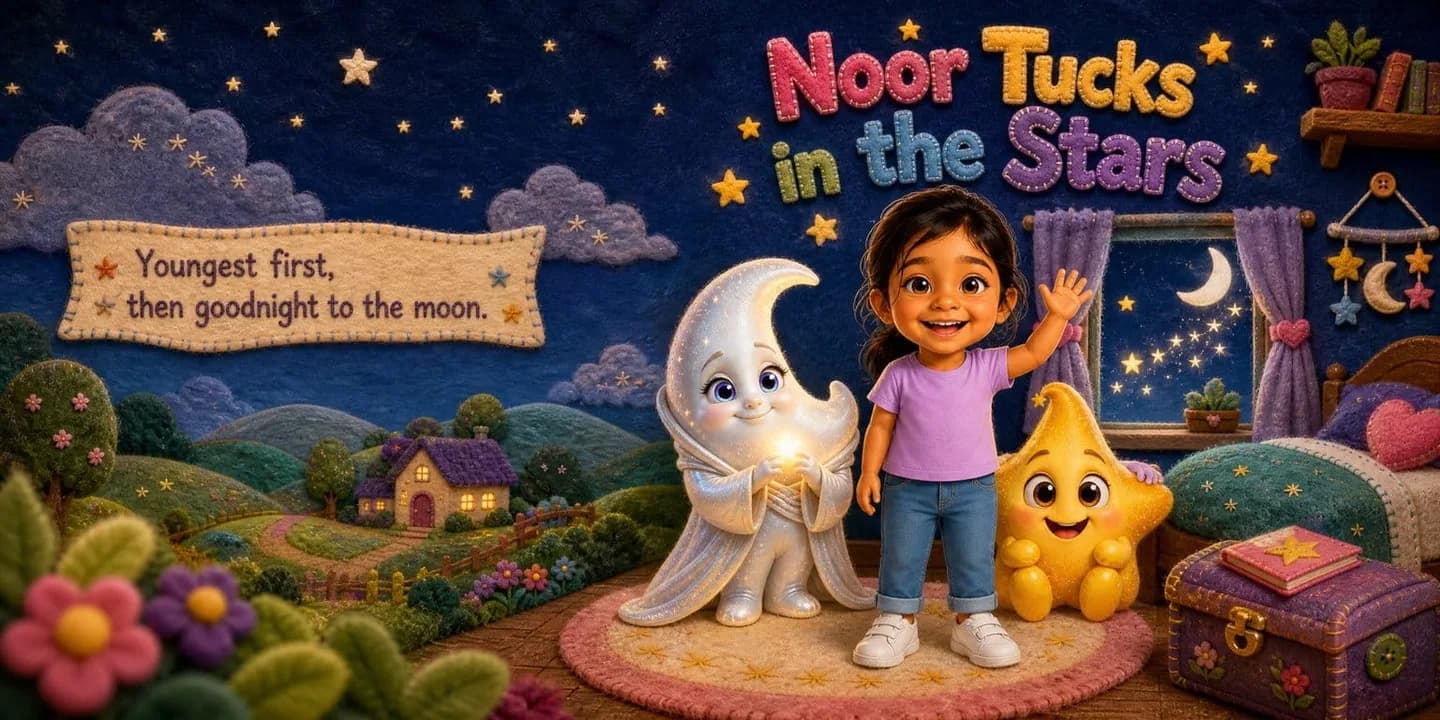
That is worth knowing if you ever make a book of your own. Companions in a personalized storybook don't need photographs: an imaginary friend, a talking moon, a beloved toy with a name can be described in words and painted as characters. If your child has an invisible friend or a stuffed rabbit who comes to every meal, that friend can be in the book, and no photo is needed.
How do you get this book with your own child in it?#
Four steps, a few minutes of your time.
1. Pick the book. Open Your Child and the Rain Song in the shop. It suits ages 3 to 7. You can read the sample above before you decide.
2. Add the photo and the name. One photo, whole face, straight on, nothing covering it — an ordinary phone snapshot is ideal. Type your child's first name and tick the consent box: one line confirming the child is yours and that the photo may be used to draw the character. We never save the photo — only the character drawing.
3. See the pages before paying. Your child's painted cover and pages appear first. You see them before you pay anything, and if the character does not look like your child, you stop.
4. Receive it. The book arrives in your dashboard, ready to read tonight, with its song. A real 8.5-inch square softcover or hardcover is printed and posted to you; the hardcover adds a narration of the whole book.
Can I build a bedtime book from my child's own wish instead?#
Yes — that is the other road, and it is where this article's title comes from. The shop books are finished stories, but the create page writes a new one from a note you type.
1. Type the name and age. Age shapes everything: a four-year-old's book gets short sentences, a refrain and a gentle pace.
2. Upload one photo and tick the consent box, exactly as above.
3. Type the wish. Four sentences are plenty. Put the ritual in — the order they say goodnight, what they wave to from the window, the question they actually ask you at lights-out. A bedtime book grows best from the ritual itself, because then the ritual is the plot.
4. Meet the cast. If your note mentions a moon, a star or an imaginary friend, KindFable spots them and draws them as characters — you'll see them appear beside your child, and you can remove any of them with one tap.
5. Choose an art style. Nine to pick from — for bedtime, the soft ones work: Soft Felt, Watercolor, or Classic Storybook. Our personalized fairy tale book shows what a gentle, painted tale feels like, and the guide to the nine art styles compares them all.
6. Look at your cover, then decide. You see the painted cover of your book — your child on it — before paying anything.
If you would rather write it yourself first and see whether it sticks, how to make a bedtime storybook sets out the four beats and the refrain trick before anything is printed.
Can it be read aloud — and can it sing?#
Yes, and for a bedtime book this is the part families use most. Every book comes with its own song, written from the story itself, free — this book's song plays above, next to the book. A song made from a child's own story is the one they ask for "one more time", and this way the one more song is theirs.
The hardcover adds a narration of the whole book — the story read aloud, calmly, with your child's name said properly — for the nights you cannot read it yourself. More on how families use the audio side is in the personalized audiobook guide.
And on the nights you can read it yourself, read it the slow way: pause before the drum sounds and let your child supply the Tap-tap-BOOM. For a five-year-old about to start school, our list of read-aloud books for kindergarten has more books that reward the same kind of joining in.
What do you get afterwards?#
- The reader — the page-flip book, on any device, dark-room friendly.
- The audio studio — the song, and the narration with the hardcover, with the words on screen.
- Reordering — a printed copy for a grandparent without rebuilding anything.
- Your library — every book you've made. The next one can star the same child, painted from the same character, one adventure older.
What does the AI actually do?#
Three things, plainly:
- It paints your child once, from your photo, and keeps that same character on every page — and it paints the characters who have no photo at all, from words.
- It puts your child into the story — their name in every line, their face in every picture; or, on the create page, it writes a new story from your note at their reading age.
- It writes the book a song — your child's name, sung, in a song that exists nowhere else — and, with the hardcover, reads the whole book aloud.
Where should you start?#
If you want a finished book tonight, start with the shop: the Rain Song on this page, or any other title, painted with your child. If your child has a ritual — stars they tuck in, a moon they wave to, a question they ask every single night — that is already a book of its own, and the create page will build it.
Either way, start with a personalized children's book with a photo, see a milestone book where the child is the main character, or browse more bedtime story ideas. And if you're curious why a story carrying their own name and face lands so much harder than any other book, we wrote up what brain science shows about personalized books.
Curious how the AI side of it actually works, and where it still needs a human? An AI storybook generator, from the inside.