Books about friendship for kids solve four different problems. Some are about the first hello, for a child who has not made a friend yet. Some are about a falling-out. Some are about keeping a friend, and what friends do for each other. And a few are about a friend moving away. A child who has just fallen out with a best friend needs a different book from one who has never had a friend at all.
This list sorts eight books by those four problems, gives the ages and format of each, and names the one most lists leave out: a book for the minute before the first hello.
When do children start making friends?#
Earlier than they can explain it, and later than parents hope. The CDC's developmental milestones list "notices other children and joins them to play" as something most children do by three years. By four years, the CDC adds asking to go and play with a particular child, and comforting others "who are hurt or sad, like hugging a crying friend".
That is why friendship books land best at about four. A three-year-old plays beside another child. A four-year-old has a friend, misses them, falls out with them, and wants a story about it. The books below start at three and run to eight, and each section says which end of that range it suits.
Which friendship book does my child need?#
| The friendship problem | Read | Ages | Format |
|---|---|---|---|
| Shy, and wants a first friend | A Friend for Henry (2019) | 3–7 | Picture book |
| Left out of a group | Strictly No Elephants (2015) | 4–8 | Picture book |
| Does not know how to be a classmate | We Don't Eat Our Classmates (2018) | 4–7 | Picture book |
| Has decided someone is an enemy | Enemy Pie (2000) | 5–8 | Picture book |
| A friend is being teased | Stick and Stone (2015) | 3–7 | Picture book |
| What friends do for each other | A Sick Day for Amos McGee (2010) | 3–7 | Picture book |
| A small friend helps a big one | The Lion & the Mouse (2009) | 3–8 | Wordless picture book |
| A best friend is moving away | Ira Says Goodbye (1988) | 4–8 | Picture book |
An opinion, and it is not the popular one: the best friendship books are not the ones about two friends having fun. They are the ones where the friendship nearly does not happen. A child learns more from Enemy Pie, where the boy spends most of the book plotting, than from any book in which two friends are simply nice to each other from the first page.
Friendship books for the first hello#
A Friend for Henry#
- Written by
- Jenn Bailey
- Illustrated by
- Mika Song
- First published
- 2019
- Ages
- 3–7
- Format
- Picture book
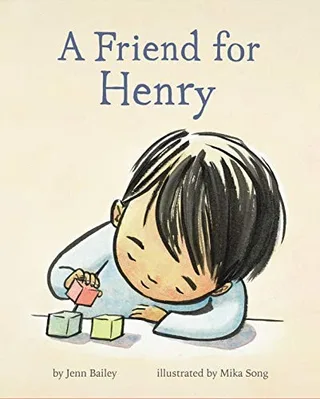
Jenn Bailey, illustrated by Mika Song, Chronicle Books, 2019. Henry, in Classroom Six, is looking for a friend: someone who shares, listens, and likes things to stay the same and in order, as Henry does. On a day that is too close and too loud, he wonders whether he will ever find one.
Henry is on the autism spectrum, and the book was named a 2020 Schneider Family Book Award honor title, according to the American Library Association. But it is a book for every shy child, because it stays with Henry before the friend arrives, which almost no other friendship book does.
Read it if your child wants a friend and does not know how to start.
Strictly No Elephants#
- Written by
- Lisa Mantchev
- Illustrated by
- Taeeun Yoo
- First published
- 2015
- Ages
- 4–8
- Format
- Picture book
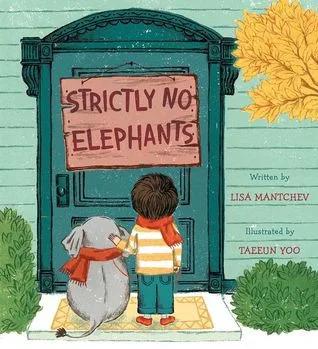
Lisa Mantchev, illustrated by Taeeun Yoo, 2015. A boy with a tiny pet elephant is turned away from the Pet Club: strictly no elephants. He meets a girl with a skunk who has been turned away too, and the children with unexpected pets start a club of their own, with a sign that says all are welcome.
It is the gentlest book on the list about being left out, and the only one where the answer is not to get let in. The answer is to find the others who were left out as well.
Read it if your child has been told they cannot play.
We Don't Eat Our Classmates#
- Written by
- Ryan T. Higgins
- First published
- 2018
- Ages
- 4–7
- Format
- Picture book
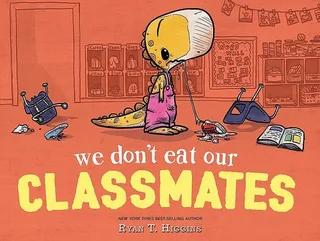
Ryan T. Higgins, Disney-Hyperion, 2018. It is Penelope Rex's first day of school, and she cannot wait to meet her classmates. The trouble is that they are children and she is a T. rex, and they are delicious. Then the class goldfish bites her finger, and Penelope learns what it is like from the other side.
This is the funny one, and the one to read to a child starting school who is more boisterous than shy. The lesson is how to be a classmate, and it lands because it is ridiculous.
Read it if your child's trouble making friends is that they are a lot.
Picture books about friendship problems#
Enemy Pie#
- Written by
- Derek Munson
- Illustrated by
- Tara Calahan King
- First published
- 2000
- Ages
- 5–8
- Format
- Picture book
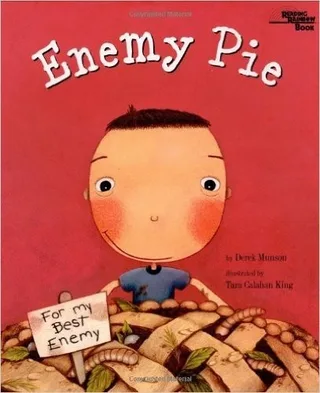
Derek Munson, illustrated by Tara Calahan King, Chronicle Books, 2000. Jeremy Ross has moved in down the street and is the narrator's enemy number one. Dad knows a sure way to get rid of enemies: Enemy Pie. But part of the recipe is spending a whole day playing with the enemy.
This is the best book on the list. It lets the child be cross, and plot, and believe the worst of someone, for most of the story, and then quietly shows what happens when you spend a day with a person instead of thinking about them. It is the book for a five-year-old who has announced that someone at school is the worst.
Read it if your child has an enemy.
Stick and Stone#
- Written by
- Beth Ferry
- Illustrated by
- Tom Lichtenheld
- First published
- 2015
- Ages
- 3–7
- Format
- Picture book
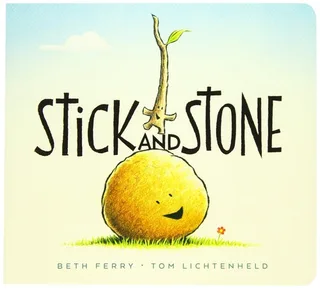
Beth Ferry, illustrated by Tom Lichtenheld, 2015. A lonely stick and a lonely stone become friends when Stick stands up for Stone against a bullying pinecone. Then a storm carries Stick away, and Stone goes looking for him.
The text rhymes and is very short, so it works from three. It does two jobs at once: it shows a child what it looks like to stick up for a friend, and it shows the friend going looking when the other one is gone.
Read it if your child has watched a friend being teased and did not know what to do.
Friendship books about keeping a friend#
A Sick Day for Amos McGee#
- Written by
- Philip C. Stead
- Illustrated by
- Erin E. Stead
- First published
- 2010
- Ages
- 3–7
- Format
- Picture book
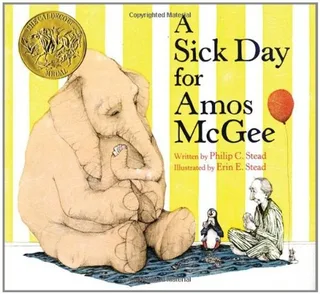
Philip C. Stead, illustrated by Erin E. Stead, Roaring Brook Press, 2010. Amos McGee is a zookeeper who always makes time for his friends: chess with the elephant, races with the tortoise, quiet time with the penguin. One day he wakes up with a cold and cannot go to work, so the animals take the bus to his house and look after him.
It won the 2011 Caldecott Medal, according to the American Library Association, and it is the quietest answer on this list to what a friend is: someone you look after, who looks after you when it is your turn.
Read it if you want one friendship book for bedtime.
The Lion & the Mouse#
- Written by
- Jerry Pinkney
- First published
- 2009
- Ages
- 3–8
- Format
- Wordless picture book
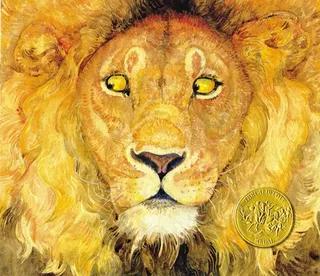
Jerry Pinkney, Little, Brown, 2009. Aesop's fable, told almost without words: a lion lets a mouse go, and later the mouse frees the lion from a hunter's net. It won the 2010 Caldecott Medal.
Because it has no text, the child tells it. That makes it the best book here for talking, and the only one a three-year-old can "read" to you. Ask who helped whom, and why the small one could do what the big one could not.
Read it if your child is the smallest in the group.
Friendship books for a friend moving away#
Ira Says Goodbye#
- Written by
- Bernard Waber
- First published
- 1988
- Ages
- 4–8
- Format
- Picture book
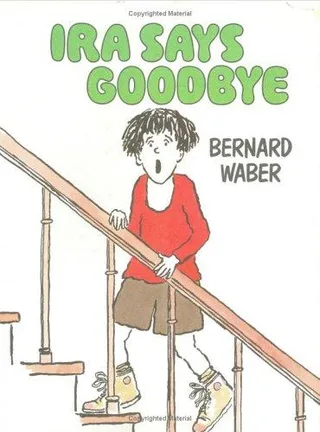
Bernard Waber, Houghton Mifflin, 1988. Ira and Reggie are such good friends that they keep their turtles in the same tank. Then Reggie is moving away, and to Ira's dismay he seems excited about it. On moving day, it is Reggie who bursts into tears.
It is the sequel to Ira Sleeps Over, and it is honest about the worst part of a friend moving, which is the moment you think they do not mind. It ends with a plan to visit, which is the right ending for a child facing the same thing.
Read it if a best friend is moving, or you are.
How do I read a friendship book so it helps?#
- Read it on a good day. A book read straight after a falling-out sounds like a lecture. Read it the next morning.
- Ask about the characters first. "Why do you think the boy wanted Enemy Pie?" gets a better answer than "Who are you cross with?"
- Use the wordless one to talk. The Lion & the Mouse has no words, so your child tells the story, and you hear what they think friendship is.
- Name the real friend. After the book, ask what their own friend would have done. The bridge from the page to the playground is the point.
What to read next#
- The trouble is over toys → books about sharing, with what to say instead of "Share!".
- The bigger question of kindness → books about kindness for kids.
- The feelings underneath → books about emotions for preschoolers.
- A present for a friend's birthday → the personalized book gift guide.
What does a personalized storybook add for a shy child?#
Who each of these suits, in one line:
- Shy, and wants a first friend → A Friend for Henry.
- Left out → Strictly No Elephants.
- Boisterous → We Don't Eat Our Classmates.
- Has an enemy → Enemy Pie.
- Watched a friend being teased → Stick and Stone.
- Bedtime → A Sick Day for Amos McGee.
- The smallest one → The Lion & the Mouse.
- A friend is moving → Ira Says Goodbye.
Count how many of these begin after the hello. Stick and Stone meet on the first pages. Amos and the animals are friends before the story starts. Even Enemy Pie works because someone else, Dad, arranges the day. Only Henry waits on the far side of the first hello, and he is a boy in Classroom Six, not your child at the edge of your playground.
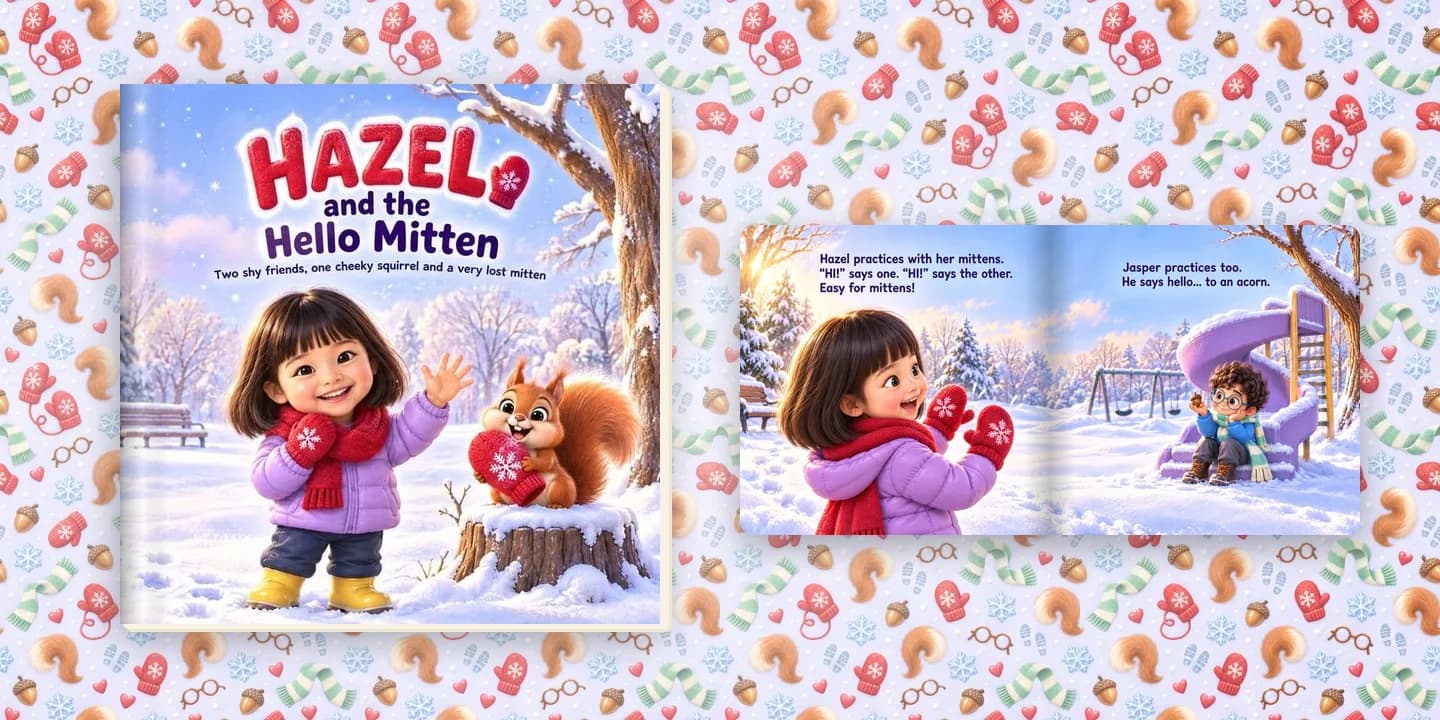
The hardest moment in friendship for a shy four-year-old is the one before anything happens, and the best way to rehearse it is to watch yourself get through it. That is what a personalized storybook can do. Our shop has one for exactly this: Your Child and the Hello Mitten, for ages 3 to 6. Your child and a shy boy called Jasper keep missing each other in a snowy park. One goes down the slide as the other climbs up, and both hide behind the very same oak. Then a cheeky squirrel steals one red mitten, Jasper does a brave thing to get it back, and two shy hellos become one big "FOUND YOU!"
The sample below stars Hazel, who is four. It opens: "Snow on the slide. Snow on the swings. Hazel has two red mittens and one big wish: a FRIEND. Jasper peeks out from behind the slide. Hazel's hello hides in her scarf." For your copy you add your child's photo and name, and every page is painted with your child.
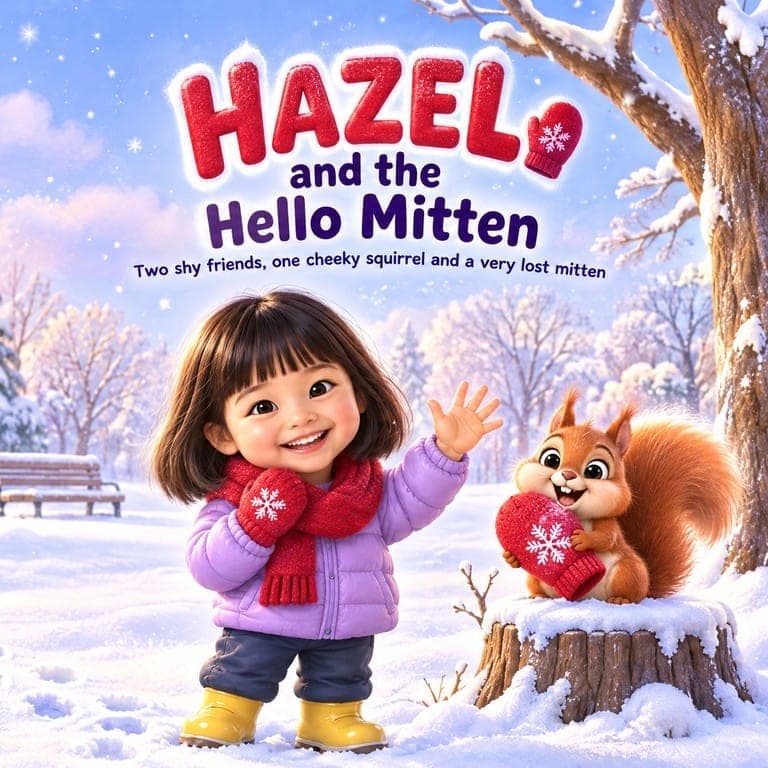
A book from our shop · ages 3–6
Your Child and the Hello Mitten
Two red mittens and one big wish: a FRIEND. Your child and shy Jasper keep missing each other — down the slide as the other climbs up, swings and seesaw swapped, back to back behind the very same oak. Almost... but not quite! Then a cheeky squirrel steals one red mitten, a brave trade gets it back, and two shy hellos become one big “FOUND YOU!”
Shown here starring Hazel, 4. Yours is painted with your own child’s face and name on every page, from $39 — and you see the pages before you pay.
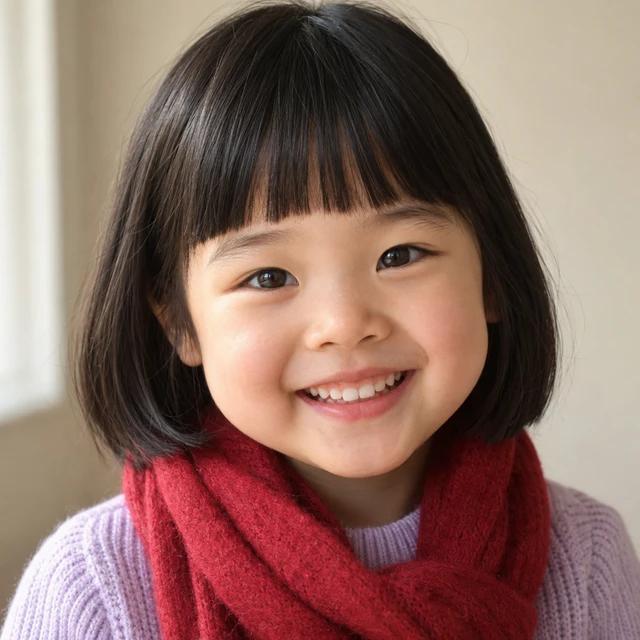
The photo they uploaded
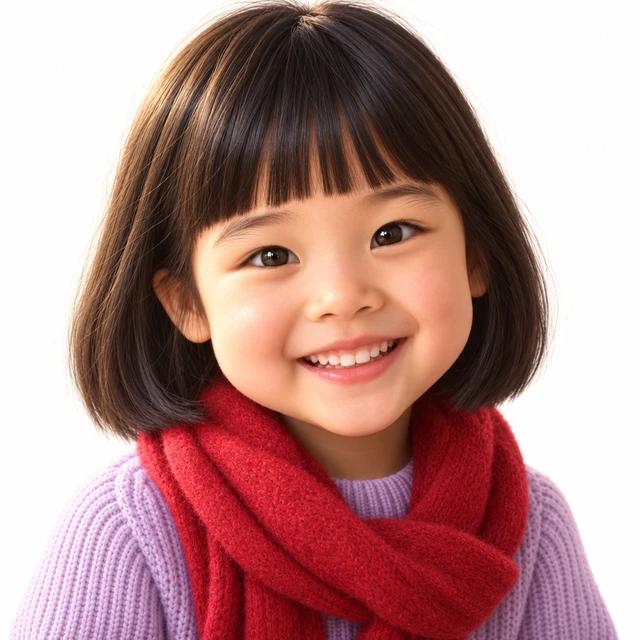
The character we drew
Written from this story — not a stock track with a name dropped in. Free with every book.
How the story begins
- 1Snow on the slide. Snow on the swings. Hazel has two red mittens and one big wish: a FRIEND. Jasper peeks out from behind the slide. Hazel's hello hides in her scarf.
- 2Hazel practices with her mittens. “HI!” says one. “HI!” says the other. Easy for mittens! Jasper practices too. He says hello... to an acorn.
- 3Hazel takes a big breath. “Hi...” she whispers. Too TINY! Jasper takes a big breath. “Hi...” he whispers. Too TINY! Almost... but not quite!
The rest of the story is in Your Child and the Hello Mitten.
The words to the song
[Verse 1]
Snow on the slide and snow on the swing,
Two red mittens and a hello to bring.
Down I go while up goes you —
Almost... but not quite! What do I do?

[Chorus]
Hello, hello, a little hello,
Hiding in my scarf where the cold winds blow.
Say it out loud and wave it bright —
Found you! Found you! Now it's just right!

[Verse 2]
Acorn the squirrel ran up the tree,
Chuk! He took my mitten from me!
Jasper was brave, he made a trade —
One mitten each, and a friend I made.

[Chorus]
Hello, hello, a little hello,
Hiding in my scarf where the cold winds blow.
Say it out loud and wave it bright —
Found you! Found you! Now it's just right!

[Outro]
Two bare hands holding tight,
Warm together, snowy white.
Who will you say hello to?
Found you!
How do you get it with your child in it?
1. Open the book. Go to Hello Mitten and press "Personalize this book".
2. Add your child. Their first name, their age, one clear photo of their face, and the consent tick box. The photo is used only to paint the character and is deleted straight after.
3. See the painted cover before you pay anything. If it does not look like your child, nothing has been spent.
4. Choose digital, softcover or hardcover. Both prices are on one page. Every book comes with its own song, and the hardcover adds the story read aloud. Afterwards it all lives in your dashboard: the page-flip reader, the audio studio, and a reorder button for when the grandparents want a copy.
If you would rather write the story yourself, with the real friend's name and the real playground, a book where my child is the main character starts from a few lines and one photo. Either way, read Enemy Pie first. Then give them the book in which the shy one says hello.
Book covers are shown unaltered for identification, sourced from Open Library. Each cover remains the property of its publisher and illustrator. KindFable is not affiliated with any of the books recommended here.